
Last Updated: June 2026

Self-storage rental property investing encompasses the acquisition and management of properties designed for individual or business storage needs, including 24-hour self-storage, indoor climate-controlled self-storage, drive-up self-storage, portable container self-storage, and vehicle self-storage facilities. This form of investing can provide consistent income, relatively low maintenance, and resilience during economic downturns.
On This Page
- What is Self Storage Investing?
- 10 Types of Self Storage Properties
- Self Storage Market
- 9 Ways to Invest in Self Storage Real Estate
- How to Buy a Self Storage Property
- Top Self Storage Property Investing Tools
- Self Storage Investing Calculators
- Self Storage Real Estate Insurance
- Self Storage Real Estate Loans
- Frequently Asked Questions About Self Storage Real Estate Investing
🪄 RentalRealEstate Quick Answer
Self-storage investing involves acquiring and managing facilities that rent individual storage units to tenants on a short- or long-term basis, ranging from small single-story buildings to large climate-controlled complexes. With more than 52,000 facilities and over 2.1 billion rentable square feet across the U.S., self-storage is one of the fastest-growing and most resilient sectors in U.S. real estate, consistently delivering high occupancy rates and recession-resistant demand.
This page covers self-storage investment strategies (including direct ownership, development, conversion, syndication, and REITs), financing options, facility management, and the largest self-storage companies.
What is Self Storage Investing?
Self Storage Investing Definition
Self storage real estate investing refers to the practice of acquiring, developing, or managing self storage facilities with the aim of generating rental income and achieving capital appreciation. These facilities are designed to offer individualized storage units or spaces for personal or business use on a rental basis.
Self Storage Investing Explained
Self storage real estate investing focuses on properties where individuals and businesses can rent space or units to store their belongings, ranging from household items to business inventory. These investments deal with multiple small tenants often on a month-to-month lease agreement. Investors in this space benefit from the scalability, as facilities can range from small, local establishments to large, multi-story complexes in urban areas.
10 Types of Self Storage Properties
Storage is a ubiquitous term that has several types of sub-classes within it. Each has its own unique characteristics, which we explore below:
24-Hour Self Storage
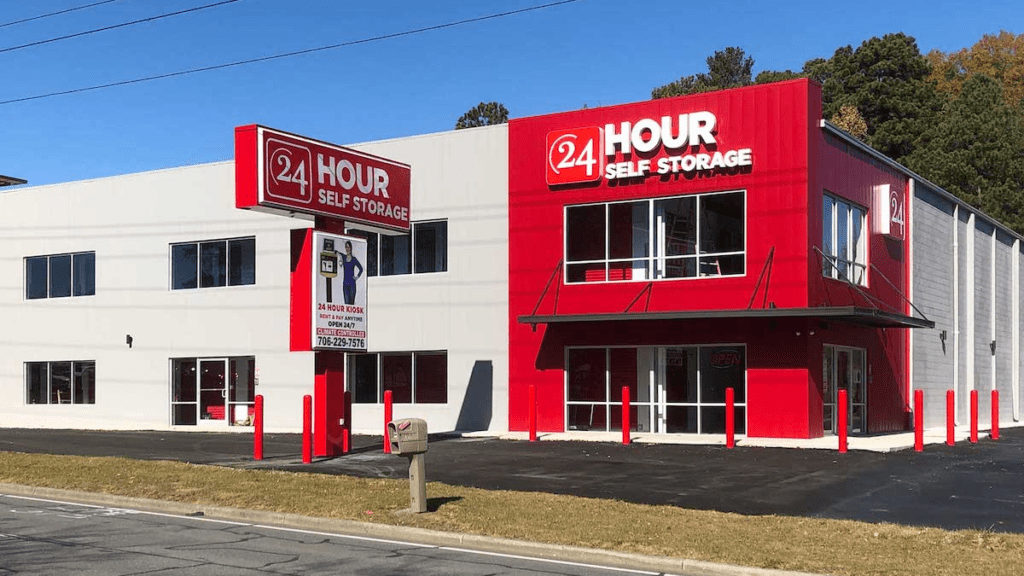
24-hour self storage facilities give self storage tenants the ability to access their unit 24/7, usually 365 days a year. This storage type is valuable for people who work odd hours or those who may need to access whatever is being stored at a moment’s notice.
Business Self Storage

Many tenants in the self-storage niche are actually businesses. Prospective business storage tenants range from small to large businesses, storing a wide variety of items, from retail goods to business equipment and beyond. Many business tenants will also seek out 24-hour storage due to the ability to access goods and materials 24/7, 365, as business demand requires.
Climate-Controlled Self Storage

Climate-controlled storage units are designed to maintain a consistent temperature and humidity level inside the unit, which helps to protect your belongings from the elements. Most units are kept between 55 and 85 degrees Fahrenheit and have humidity levels between 30 and 50 percent. Some of the items that benefit from climate-controlled storage include furniture, electronics, musical instruments, artwork, photographs, antiques, books, and more.
Drive-Up Self Storage

Drive-up self-storage units are just like regular storage units, with the key difference that they’re located outside so that users can drive their cars right up to the door. This makes loading and unloading belongings a breeze, and users don’t have to worry about lugging their things up and down stairs or dealing with elevator access.
Military-Focused Self Storage

One of the hallmarks of military life is the fact that families must be able to pack up and ship out at a moment’s notice. Military families may utilize military-focused self storage to help make this process easier and more economical. Military families use this type of storage in a variety of moving and relocation-related situations, including Permanent Change of Station Storage, Temporary Duty Storage, and Temporary Additional Duty Storage.
Portable Container Self Storage
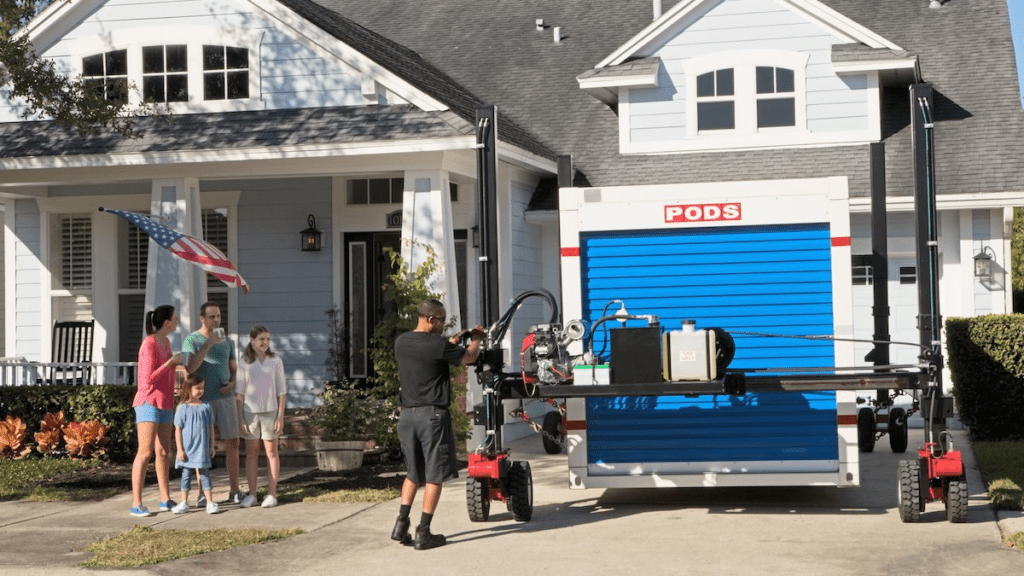
Portable container self storage has dramatically increased in popularity over the last decade or so. With a traditional storage model, your items are stored in a centrally located facility that you visit when you need to access your unit. Portable container self storage such as PODS, flips that model on its head. Instead, the storage company delivers the unit to your home or business, where you can store items as you wish. After the container is full, the company will bring it to whatever location you choose. This self storage type is great for moves or business relocations.
Vehicle Self Storage
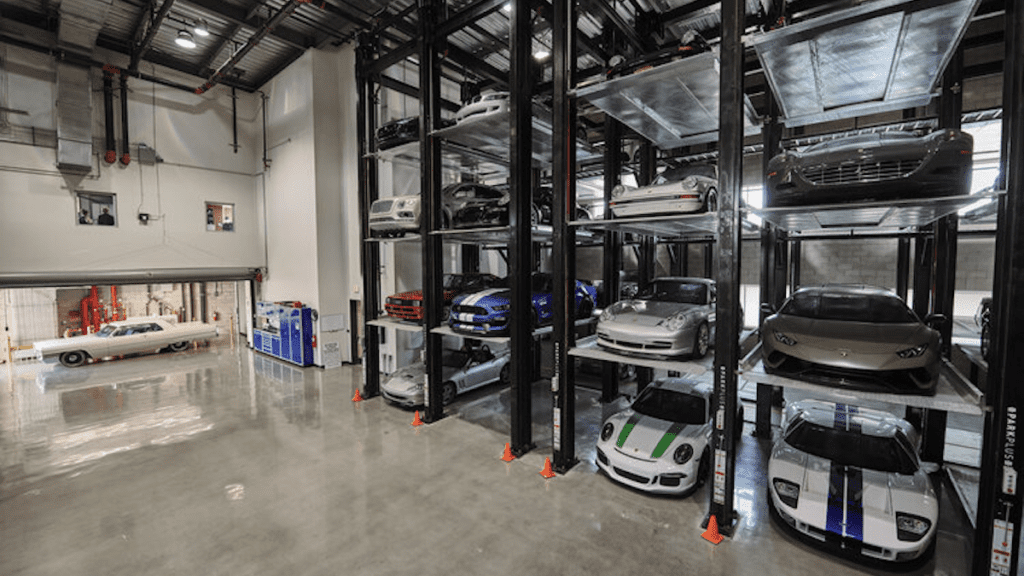
Vehicle self storage facilities are among the most popular storage options used by consumers. As homes trend smaller and rent and home values go up, many vehicle owners simply do not have the space to keep their secondary cars, boats, RVs, ATVs, and other vehicles on hand. Business owners also utilize vehicle storage, from auto dealerships with an excess of cars to a boat repair shop that needs a place to store their latest project or even a storage space for a propeller plane or jet. Vehicle storage facilities range from a luxury indoor collector car facility such as Westside Collector Car Storage in Los Angeles, to simple unpaved outdoor lots, or a combination of both.
Cold Storage

Cold storage units are designed to regulate temperature at low levels, making them ideal for perishable goods such as food products, flowers, and certain medical supplies. This type of self-storage offers a controlled environment that ensures items are kept fresh and in optimal conditions, preventing spoilage and degradation. Investors interested in cold storage should note the increased costs associated with maintaining the necessary equipment and the importance of consistent power supply. Due to the perishable nature of items typically stored here, these units are often in demand by businesses that require reliable and efficient cold chain logistics.
Vault Storage

Vault storage provides an ultra-secure environment, specifically tailored to safeguard valuable items like precious metals, jewelry, important legal documents, and family heirlooms. These units are fortified with advanced security features, such as an impenetrable vault door, biometric access, surveillance systems, and often 24/7 monitoring. For investors, vault storage offers a premium service, attracting clientele who are willing to pay a higher price for peace of mind. Additionally, insurance considerations for vault storage properties can be unique, as they house items of significant value.
Container Storage

Containerized storage leverages traditional 20 feet shipping containers, repurposed as standalone storage units, often seen in container yards or large open spaces. These rugged containers are weatherproof, providing a durable and versatile storage solution suitable for both personal and business use. Investors can benefit from the modularity of containerized storage, as containers can be added or removed based on demand, offering scalability. While they may not offer the climate control of indoor facilities, their robustness and flexibility make them a popular choice, especially in areas where space is abundant.
Self Storage Market
How Big is The Self Storage Market in USA?
Self-storage is one of the fastest-growing and most resilient sectors in U.S. real estate, with more than 52,000 facilities and over 2.1 billion rentable square feet nationwide. With one in three Americans currently renting a unit (driven by downsizing, relocation, and shrinking living space) the sector consistently delivers high occupancy rates, strong profit margins, and recession-resistant demand that continues to attract both institutional and independent investors.
52 Thousand
Self Storage Facilities in USA 2026
2.1 Billion
Rentable Square Feet of Self Storage in USA 2026
9 Ways to Invest in Self Storage Real Estate
Direct Ownership Self Storage Real Estate
Direct ownership involves purchasing a self storage facility, allowing for full control over operations, management, and profits. This method typically requires significant capital upfront but offers the potential for steady monthly income and property appreciation. Investors are responsible for all aspects, from maintenance to marketing, unless they hire a management company.
Developing or Converting a Self Storage Property
Investors can acquire land or an existing building to develop or convert into a self storage facility. This method requires understanding local zoning laws, construction costs, and local market demand for storage space. While development can offer higher returns, it also comes with construction risks and potential delays.
Self Storage Property Value Add Investing
Investors purchase underperforming or outdated self storage facilities with the intention of improving them to boost occupancy rates and rental income. This could involve property renovations, improved management, or marketing efforts. The goal is to increase the property’s value and profitability over a relatively short period.
Self Storage Franchising
Established self storage companies offer franchise opportunities, allowing investors to operate under a recognized brand. Franchisors provide operational support, branding, and marketing tools, while franchisees invest in property and day-to-day management. This model offers brand recognition but requires adherence to franchise guidelines and often involves fees.
Self Storage Real Estate Companies

Several large self storage rental companies have redefined the dynamics of this asset class. Their size and influence not only shape market trends but also impact rental standards and practices nationwide. Investing in them, where possible, can be a great way to gain exposure to this asset class.
Self Storage Real Estate Note Investing
Instead of purchasing the property itself, investors buy the mortgage note of a self storage facility. This means they essentially step into the bank’s shoes, collecting mortgage payments from the property owner. If the borrower defaults, the note holder can take possession of the property, offering both income potential and a level of security.
Self Storage Joint Ventures and Partnerships
Investors can pool resources with others to purchase or develop a self storage facility. This reduces the financial burden on any single investor and combines the expertise of multiple parties. Responsibilities, profits, and decision-making are typically shared based on the terms of the partnership agreement.
Self Storage Real Estate Private Equity or Syndication
Syndication involves pooling funds from multiple investors to acquire, develop, or manage a self storage property. It’s managed by a lead investor or syndicator who oversees the project, while individual investors receive returns based on their stake. This method allows investors to access larger projects with less individual capital requirement.
Self Storage Real Estate Stocks
REITs are companies that own, operate, or finance income-producing real estate in various sectors, including self storage. Investing in self storage REITs allows individuals to invest in a portfolio of properties without directly owning physical real estate. These provide liquidity as they’re traded on stock exchanges, and they typically offer dividends to their investors.
How to Buy a Self Storage Property
Investing in self storage properties offers a unique avenue to capitalize on the growing demand for storage solutions. Successful investment requires a comprehensive approach that spans from the purchase process, to mastering management and financial analysis.
Self Storage Property Purchase Process
- Self Assessment & Investment Objectives: Begin by assessing your financial capacity, risk tolerance, and specific goals in the self-storage market.
- Assembling a Real Estate & Management Team: Gather professionals, from a commercial broker familiar with self-storage to experienced facility managers, who can ensure a seamless purchase and operational process.
- Market and Location Analysis: Study local demographics, competitor presence, and demand patterns to choose a prime location for your facility.
- Key Features to Look for in Potential Self-Storage Investments: Prioritize properties where there is a clear need for additional storage supply, good property accessibility, strong street visibility, and potential for expansion or upgrades.
- Evaluating Financing Options for Acquiring Properties: Explore traditional commercial real estate loans, specialized self-storage financing, or private lenders to secure the best rates and terms.
- Making Offers and Negotiating Purchase Terms: Work with your real estate team (specifically the commercial broker) to make competitive offers and navigate the negotiation phase.
- Due Diligence: Zoning, Surveys, and Environmental Assessments: Ensure the property adheres to local regulations, is accurately surveyed, and is free of environmental concerns.
- Closing on the Property Purchase: Finalize the transaction with proper documentation and payments, transferring ownership to you.
Managing and Marketing Self-Storage Rental Properties
- Operational Management: Implement top-notch security measures, maintain the facility regularly, and prioritize customer satisfaction for long-term success.
- Marketing Your Self-Storage Facility to Maximize Occupancy: Use a mix of digital marketing, local advertising, and promotions to attract and retain customers. Modern self storage management software can help with this.
- Pricing Strategies and Payment Systems: Develop competitive pricing models and employ modern payment solutions for customer convenience.
Self Storage Property Financial Management and Analysis
- Understanding Revenue, Operating Expenses, and Cash Flow: Regularly analyze your financial reports to ensure profitability and operational efficiency.
- Calculating Return on Investment: Determine your facility’s ROI to assess the success of your investment and plan future endeavors.
- Tax Considerations and Benefits: Take advantage of depreciation, interest deductions, and other tax benefits specific to self-storage investments.
Scaling and Diversification in Self-Storage Investing
- Strategies for Expanding Your Investment Portfolio: As you gain experience, consider adding more facilities or expanding existing ones to increase revenue streams.
- Diversifying Your Portfolio with Different Types of Self-Storage Facilities: Explore niche storage solutions like climate-controlled units or RV storage to cater to varied customer needs.
- Exit Strategies: Plan for the future by understanding when to sell, when to upgrade, or when to diversify further within the self-storage market.
Pro Tip

Purchasing an entire self storage property can be challenging. An alternative way to invest without significant capital or hands-on involvement can be through an online real estate investing platform.


Self Storage Rental Property News
- How to Plan a Property-Scouting Trip in Europe

- Renting in Minneapolis: A Newcomer’s Guide to Neighborhoods, Leases, and Move-In Logistics

- Just Closed on a Phoenix Home? What to Handle Before Moving Day

Top Self Storage Property Investing Tools

Self Storage Investing Calculators





Self Storage Real Estate Insurance

Self storage facilities carry risks that owners often underestimate, from tenant property claims and fire or water damage to break-ins and slip-and-fall injuries across the site. The right commercial property insurance protects your buildings, your liability exposure, and your income, whether you own a single-location facility or a multi-site portfolio. Smart storage investors secure specialized coverage so a single claim never threatens the returns they have worked hard to build.
Self Storage Real Estate Loans

Financing a self storage facility works differently than a typical home loan, with lenders weighing occupancy, rental income, and location as heavily as your own credit. The right commercial real estate loan can fund a single-location facility or a multi-site portfolio, whether you are acquiring, refinancing, or expanding. Smart storage investors compare banks, SBA programs, CMBS, and private lenders to secure the rates and terms that keep a deal profitable.
Search Rental Real Estate
Try searching our site for hundreds of rental property topics including loans, investor tool reviews, real estate companies, property management tips and more.
Frequently Asked Questions About Self Storage Real Estate Investing
What are the Pros and Cons of Investing in in Self Storage Properties?
Self storage investing has become increasingly popular in recent years as more and more people are looking for ways to invest their money into rental properties, beat inflation, and avoid volatility among many sectors of the global economy. However, like any investment asset, self-storage has its own unique advantages and disadvantages. The following is a comprehensive list of the pros and cons you need to know before investing in storage properties.
Self Storage Investing Pros
- Recession-Resistant Industry -People will always need storage space, especially in tough economic times. During a recession, people often downsize their living space. At the same time, it might not be so easy to sell excess stuff. This gives self storage a countercyclical resistance to recessionary pressures – a very desirable quality for a cash-flowing commercial real estate asset.
- Easy Conversions to Other Uses – As we saw with the COVID-19 pandemic, market forces can change, sometimes drastically- leaving investors and property owners in the lurch. Should the worst occur, self storage property owners can more readily convert their properties to other uses, like office space or industrial space. As many self storage properties already sit in areas zoned for other uses, the permits and paperwork are considerably less onerous when compared to, say, converting an industrial space to residential.
- Low-maintenance and Overhead – When you’re operating most types of commercial and residential real estate, you’re going to have substantial property upkeep costs. This can come in the sweat equity you put into the business, as well as financial costs like maintenance, landscaping, property management fees, and so on. Self storage properties are significantly easier to manage, with few of the onerous rules and regulations you’ll find in other property types. Leases also tend to be far less complex, avoiding a major source of headaches for investors.
Self Storage Investing Cons
- Shorter and Simpler Leases – In most cases, self storage leases work on a month-to-month basis, compared to yearly or even multi-year leases for other property types. This means that you’re looking at a lot of turnover and time and money spent acquiring new tenants.
- Potential for Oversupply – Self storage facilities are comparatively cheap to construct and maintain when compared to other property types. This means that properties go up quickly during boom times, which may also cause an oversupply should demand pull back. A fastidious market analysis of nearby competition can help reduce this risk, but you can’t control what properties go up after yours.
- Demand is Hyper-Dependent on Local Market – Self storage facilities tend to follow other types of real estate development. For instance, let’s say a 100-unit apartment complex goes up in a small city. Those tenants are likely to need somewhere to store their stuff. Self storage investors count on these projects to create more demand for units, and when other development slows or stalls, it can have a knockdown effect on self storage property vacancies and cap rates.
Self Storage vs Other Rental Real Estate Investments?
Self-storage properties have emerged as a compelling asset class in the real estate market thanks to their simplicity and resilience. Below we take a look at how self-storage stacks up against other popular real estate categories like commercial spaces, land, and parking properties.
| Criteria | Self Storage Properties | Commercial Real Estate | Land | Parking Properties |
|---|---|---|---|---|
| Scale of Investment | Moderate; varies by location and size | Typically high due to property size and location | Ranges from low to high, depending on location and size | Moderate, influenced by location and capacity |
| Management Intensity | Moderate; requires security, maintenance, and customer service | High; involves tenant relations, maintenance, and lease agreements | Low; minimal active management unless developing | Moderate; depends on equipment, security, and parking volume |
| Liquidity | Moderate; affected by occupancy rates and market demand | Moderate to Low; influenced by market conditions and lease agreements | Low; can be long-term investments | Moderate; influenced by location and usage rates |
| Risk Profile | Moderate; impacted by market demand and competition | High; dependent on economic cycles and tenant solvency | Low to Moderate; depends on future land use and zoning | Moderate; affected by local demand and competition |
| Potential ROI | Moderate to High; based on occupancy and management efficiency | High; returns influenced by lease rates and property appreciation | Variable; high ROI if land is developed or sold for development | Moderate; dependent on location and operational efficiency |
| Tenant Duration | Short to Medium term; customers rent based on need | Long term; commercial leases are often multi-year | N/A (unless leased for specific uses) | Short term; daily to monthly rentals |
| Market Sensitivity | Moderate; influenced by economic conditions and local housing transitions | High; very sensitive to economic fluctuations | Moderate; sensitive to local development trends | Moderate to High; dependent on local events, tourism, and economy |
More Real Estate Investing Asset Types
















About the Author

Ryan Nelson
I’m an investor, real estate developer, and property manager with hands-on experience in all types of real estate from single family homes up to hundreds of thousands of square feet of commercial real estate. RentalRealEstate is my mission to create the ultimate real estate investor platform for expert resources, reviews and tools. Learn more about my story.
Disclaimer: The information provided on this website does not, and is not intended to, constitute legal and/or financial advice. As such, all information, content, and materials available on this site are for general informational purposes only. Please review our Editorial Standards for more info.