
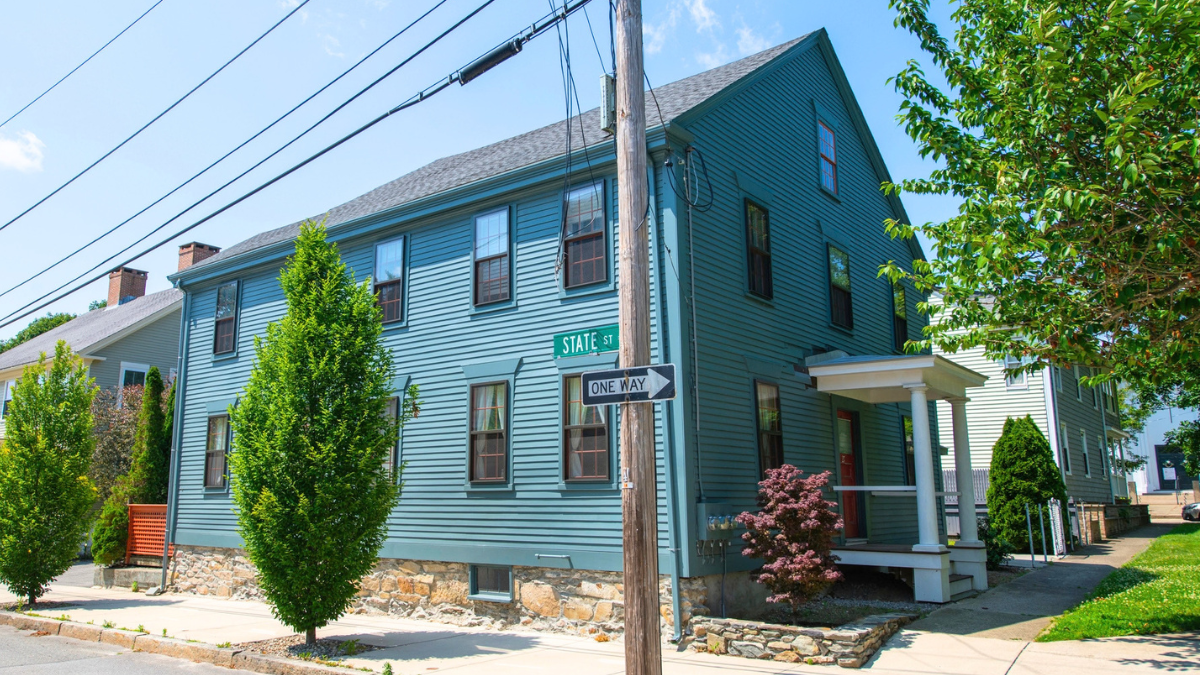
Older rental homes can have enormous appeal. Original woodwork, mature neighborhoods, larger rooms, and architectural details often give them a character that newer developments struggle to reproduce. The tradeoff is that decades of weather, repairs, renovations, and changing building systems can leave tenants and landlords dealing with problems that are easy to overlook during a quick showing.
The challenge is not simply that old things eventually break. Problems can overlap. A damp ceiling may involve roofing, ventilation, or plumbing. A chilly bedroom may point to aging windows, inadequate insulation, or air leaks. Understanding these patterns helps renters report problems clearly and helps property owners investigate causes rather than repeatedly treating symptoms.
Water Stains Can Be the End of a Much Longer Trail
A brown mark on an upstairs ceiling seems to identify the problem neatly, but water does not always enter directly above the stain. It can travel along rafters, decking, insulation, or other materials before becoming visible indoors. That makes guessing from the room below unreliable.
When staining returns after rain, shingles are missing, flashing is damaged, or attic materials feel damp, professional roof leak detection can help identify the actual source of the intrusion before repairs are chosen. This matters especially in older rentals, where previous patches may conceal a history of recurring moisture problems.
Tenants should document new stains and report them promptly. Owners should avoid assuming that repainting a ceiling has solved anything until the source of moisture has been addressed.
Old Windows Can Create More Than a Winter Draft
Aging windows often announce themselves through rattling panes, difficult locks, condensation, peeling finishes, or noticeable drafts. Those problems affect comfort, but they can also complicate moisture management and increase the workload placed on heating and cooling systems.
Not every old window needs immediate replacement. Weatherstripping, hardware repairs, glazing work, or other maintenance may solve specific problems. However, frames showing deterioration or persistent water entry deserve closer evaluation.
Renters can help by reporting when windows no longer close or lock properly instead of simply tolerating them. A window is part of the home’s exterior protection as well as a source of light and ventilation.
Plumbing Problems Often Arrive as Repeating Patterns
One slow drain is annoying. Several drains becoming slow repeatedly can suggest a broader problem that deserves investigation.
Older properties may contain plumbing from different eras because portions of the system were replaced at different times. Corrosion, mineral buildup, aging connections, previous repairs, and drainage problems can therefore appear unevenly throughout the building.
Watch for recurring clogs, unexplained drops in water pressure, discolored water, persistent dripping, stains beneath fixtures, or toilets that frequently behave unusually. A bucket under a leak may protect the floor temporarily, but it is not a maintenance strategy.
Reporting the pattern—when it happens, where it occurs, and whether multiple fixtures are affected—can make professional diagnosis more efficient.
Electrical Systems Have to Support a Modern Household
Many older rentals were built when households owned far fewer electrical devices. Today, residents may simultaneously use computers, televisions, kitchen appliances, chargers, gaming equipment, portable devices, and home-office gear.
Frequent breaker trips, warm or discolored outlets, buzzing, sparking, loose receptacles, or persistent burning odors should not be treated as quirks of an old house. Electrical concerns require appropriate professional attention.
Tenants should also resist solving a shortage of outlets with elaborate chains of extension cords and adapters. Property owners renovating older units can consider whether the electrical layout still makes sense for ordinary modern use.
Charm belongs in the trim and architecture, not in unpredictable wiring.
Poor Ventilation Can Make Moisture Problems Look Mysterious
Bathrooms and kitchens generate significant moisture, and older properties do not always manage it effectively. A bathroom without adequate ventilation may remain damp long after a shower, while cooking can add moisture and airborne residue elsewhere in the home.
Persistent condensation, peeling paint, musty odors, or recurring surface growth can indicate that moisture is not being controlled effectively. The source still matters: ventilation problems should not be used to dismiss the possibility of plumbing or exterior water intrusion.
Residents can use functioning exhaust systems as intended and report equipment that no longer works. Owners should investigate persistent moisture rather than repeatedly covering damaged finishes with another coat of paint.
Floors Reveal What Years of Use Have Done
Old hardwood floors can be one of a rental property’s best features, but floors also reveal movement, moisture, wear, and decades of repairs.
A little creaking may simply be part of an older structure. Sudden changes deserve more attention. Soft areas, significant new slopes, loose tiles, lifting materials, or flooring that repeatedly becomes damp can point toward conditions beneath the finished surface.
Tenants should describe changes rather than trying to diagnose structural causes themselves. For owners, flooring replacement is also an opportunity to investigate why the previous material failed. Installing a new finish over an unresolved moisture problem simply hides the evidence temporarily.
Heating and Cooling Can Be Uneven From Room to Room
Older homes were not necessarily designed around today’s expectations for whole-house temperature consistency. Additions, converted attics, aging ductwork, insulation differences, and later HVAC upgrades can create rooms that behave very differently.
Before assuming the equipment itself needs replacement, the broader system may need evaluation. Airflow, filters, duct condition, insulation, air leakage, thermostat placement, and equipment performance can all influence comfort.
Renters can provide useful information by noting which rooms are consistently affected and under what conditions. Owners gain more from investigating a repeatable pattern than from responding to “the house feels cold” without additional detail.
Space heaters or portable cooling units may offer temporary comfort, but they should not become substitutes for addressing significant underlying performance problems.
Cosmetic Repairs Can Hide the Property’s Maintenance History
Fresh paint and new fixtures can make an older rental photograph beautifully, but surface improvements do not necessarily reveal what is happening underneath.
Look beyond finishes during a viewing or inspection. Check whether doors and windows operate properly, notice stains or freshly painted isolated patches, look beneath sinks where accessible, and pay attention to persistent odors. Ask about recent repairs and how maintenance requests are handled.
For landlords, good records are invaluable. Keeping invoices, inspection reports, photographs, appliance information, and notes about recurring problems makes it easier to identify patterns across tenancies. If the same ceiling area has been repaired three times, for example, the history itself is telling you something.
Older rentals do not have to be troublesome properties. Many remain comfortable and dependable precisely because their owners maintain them carefully and respond to deterioration before it spreads.
Conclusion
The key is distinguishing age from neglect. Worn finishes may be cosmetic; recurring water intrusion, unsafe electrical symptoms, unreliable plumbing, and persistent moisture are not. Renters benefit from documenting and reporting changes early, while owners benefit from tracing problems back to their sources.
An older property will always carry evidence of its history. The goal is not to erase every sign of age. It is to make sure that history remains part of the home’s character rather than becoming a list of unresolved repairs.
About the Author

Ryan Nelson
I’m an investor, real estate developer, and property manager with hands-on experience in all types of real estate from single family homes up to hundreds of thousands of square feet of commercial real estate. RentalRealEstate is my mission to create the ultimate real estate investor platform for expert resources, reviews and tools. Learn more about my story.