
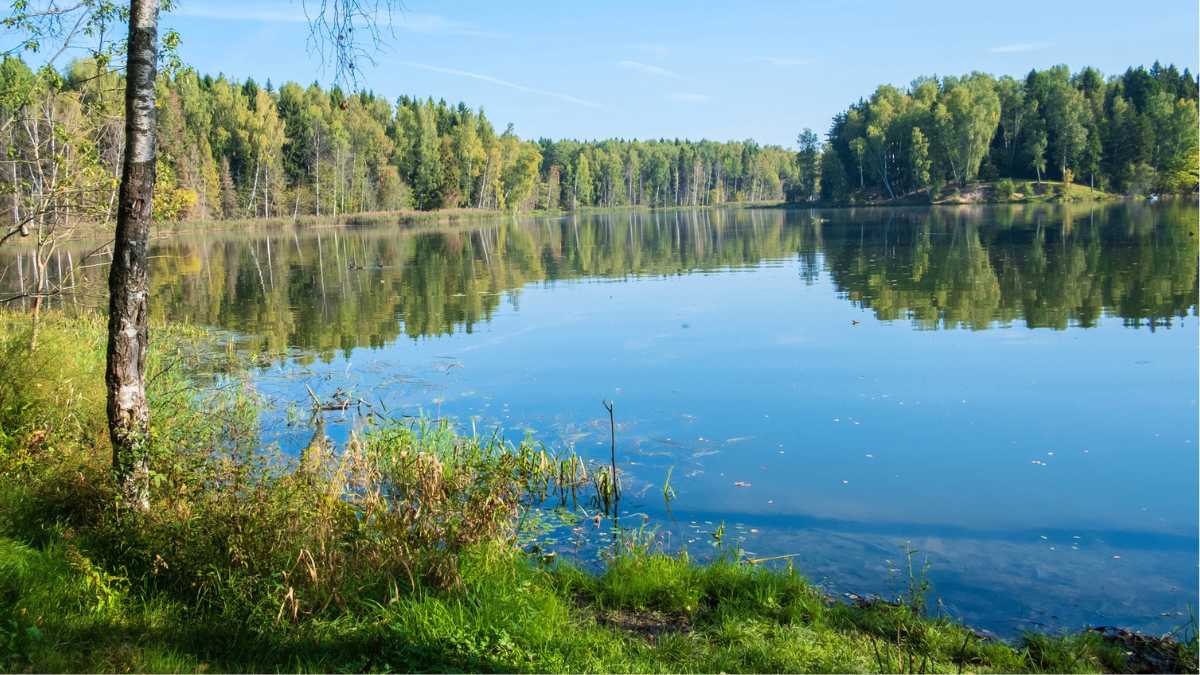
When most people picture buying a cottage in the Haliburton Highlands, they imagine the perfect building: a cozy cabin with a wraparound deck, big windows facing the water, and a dock stretching out into a shimmering lake. What often gets far less attention, however, is the lake itself. Yet the body of water your cottage sits on shapes your daily experience more than almost any other factor. It determines how quiet your mornings are, how busy your weekends feel, what activities you can enjoy, and even how the property holds its value over time.
One of the most important distinctions to understand is the difference between a private lake and a public lake. These two options offer very different lifestyles, and the right choice depends entirely on what you want from your cottage life. Some buyers are drawn to the seclusion and tranquility of a private lake haliburton setting, while others prefer the accessibility, variety, and social energy of a public lake. Neither is objectively better; they simply serve different priorities. This guide breaks down the key differences so you can decide which is right for you.
Understanding the Basics
Before weighing the pros and cons, it helps to clarify what these terms actually mean. A public lake is generally one that offers open access to anyone, typically through public boat launches, government-maintained access points, or nearby public land. These lakes tend to be larger, more developed, and busier, with a mix of cottages, marinas, and recreational traffic.
A private lake, by contrast, has restricted access. It may be surrounded entirely by private property, accessible only to the owners who share its shoreline, or reachable through a private road association. Because entry is limited, private lakes are usually quieter, less crowded, and more secluded. The number of cottages on the lake is often small, and there is no steady stream of visitors launching boats or passing through. This fundamental difference in access ripples out to affect nearly every aspect of the cottage experience.
The Case for a Private Lake
For many buyers, the appeal of a private lake comes down to one word: peace. With few or no strangers using the water, private lakes offer a profound sense of calm and seclusion. Mornings are still, the water is often glassy, and the sounds you hear are more likely to be loons and rustling leaves than the drone of passing motorboats. For those seeking a genuine retreat from the noise and pace of everyday life, this quiet is priceless.
Privacy also brings a stronger sense of community among the small group of owners who share the lake. On a lake with only a handful of cottages, neighbors often know one another, look out for each other’s properties, and share a common interest in preserving the lake’s natural beauty. This can foster a tight-knit, respectful atmosphere that many families cherish.
There are practical benefits as well. Private lakes typically see less boat traffic, which means clearer water, less shoreline erosion, and a healthier ecosystem. Fishing can be excellent because the waters are less pressured. Swimming feels safer and more pleasant without the wakes and congestion of a busy lake. And because these properties are rarer and highly sought after, they can hold their value well over time.
Of course, seclusion comes with trade-offs. Private lakes are often smaller, which can limit certain activities like waterskiing or long boat cruises. Access can be more complicated, sometimes requiring travel over private or seasonal roads that owners must maintain themselves. Amenities such as marinas, restaurants, and shops may be farther away. And the very exclusivity that makes these properties desirable can also make them more expensive and harder to find.
The Case for a Public Lake
Public lakes offer a different but equally compelling set of advantages, centered on accessibility and variety. Because these lakes are larger and open to more users, they support a wider range of recreational activities. If you dream of waterskiing, wakeboarding, tubing, sailing, or taking long boat rides to explore, a bigger public lake gives you the room to do it. There is simply more water to enjoy.
Larger lakes also tend to come with more infrastructure and convenience. You are more likely to find nearby marinas for fuel and repairs, boat rentals, waterfront restaurants, general stores, and other amenities that make cottage life easier and more social. For families who enjoy activity and a livelier atmosphere, this vibrancy is a major draw. Public lakes often host a broader community with plenty of opportunities to meet people and participate in local events.
From a financial perspective, public lakes usually offer more inventory and a wider range of price points. Because there are more cottages available, buyers often have greater choice and flexibility, which can make it easier to find a property that fits both their budget and their wish list. Well-known lakes with strong reputations can also be sound long-term investments, supported by steady demand and good resale potential.
The downside, naturally, is that popularity brings crowds. Busy weekends and holidays can mean heavy boat traffic, noise, and congestion on the water. The sense of solitude that defines a private lake is harder to find. Water quality can be affected by heavier use, and shorelines may show more wear. For buyers whose main goal is quiet and privacy, a bustling public lake may feel like the opposite of what they came to the Highlands for.
Key Questions to Ask Yourself
Choosing between a private and public lake ultimately comes down to your lifestyle, priorities, and vision for cottage life. To guide your decision, consider a few honest questions. What do you most want from your time at the cottage: peaceful relaxation or active recreation? How important is seclusion versus convenience and access to amenities? What water activities matter most to you, and does the lake size support them?
It is also worth thinking about your long-term plans. Will this be a summer getaway, a year-round residence, or a property you hope to pass down through the family? Consider who will be using it and how their needs might change over time. A family with young children who love tubing and socializing may thrive on a public lake, while a couple seeking a quiet nature retreat may find their perfect match on a secluded private one.
Practical logistics deserve attention too. Private lakes may involve shared road maintenance, association fees, and more remote access, so make sure you understand these responsibilities before committing. On a public lake, consider how the busiest weekends will affect your enjoyment and whether the added activity fits your temperament.
Finding the Right Balance
For some buyers, the ideal answer lies somewhere in between. There are medium-sized lakes that offer a reasonable balance of tranquility and accessibility, quieter bays on larger lakes that provide a sense of seclusion without total isolation, and private lakes located conveniently close to town. Working with a knowledgeable local real estate professional can help you navigate these nuances and identify properties that genuinely align with your priorities.
It is also wise to visit prospective lakes at different times, ideally including a busy summer weekend, to get an accurate sense of the atmosphere. A lake that feels serene on a quiet Tuesday in June may be a very different place on a holiday Saturday in July. Firsthand experience is the best way to know whether a lake truly suits you.
Final Thoughts
The choice between a private lake and a public lake is one of the most defining decisions you will make when buying a cottage in the Haliburton Highlands, and there is no single right answer. Private lakes reward those who crave peace, privacy, and a close connection to nature, while public lakes suit those who value accessibility, variety, and a more social, activity-filled lifestyle. By understanding the trade-offs and honestly assessing what you want from your time on the water, you can choose the setting that will bring your family the most joy for years to come. Take your time, do your research, and let your vision of the perfect cottage life guide the way.
About the Author

Ryan Nelson
I’m an investor, real estate developer, and property manager with hands-on experience in all types of real estate from single family homes up to hundreds of thousands of square feet of commercial real estate. RentalRealEstate is my mission to create the ultimate real estate investor platform for expert resources, reviews and tools. Learn more about my story.