
Something in a house is always asking for attention. A pipe starts to weep behind a wall, a floor develops a soft spot, a window stops closing the way it used to. Most owners treat these moments as interruptions, handle them as quickly as possible, and hope nothing else goes wrong for a while. That reaction is understandable, but it quietly wastes one of the best opportunities a homeowner ever gets.
A repair means the work is already happening, the budget is already open, and the disruption is already priced in. With a little more thought at that exact point, the same money can leave the house better than it was instead of simply returning it to where it stood last week.
The difference between an owner who spends steadily on repairs for twenty years and an owner whose house keeps gaining value is rarely a matter of income. It is a matter of what they decide in the first hour after something breaks.
When a Repair Becomes a Chance to Improve
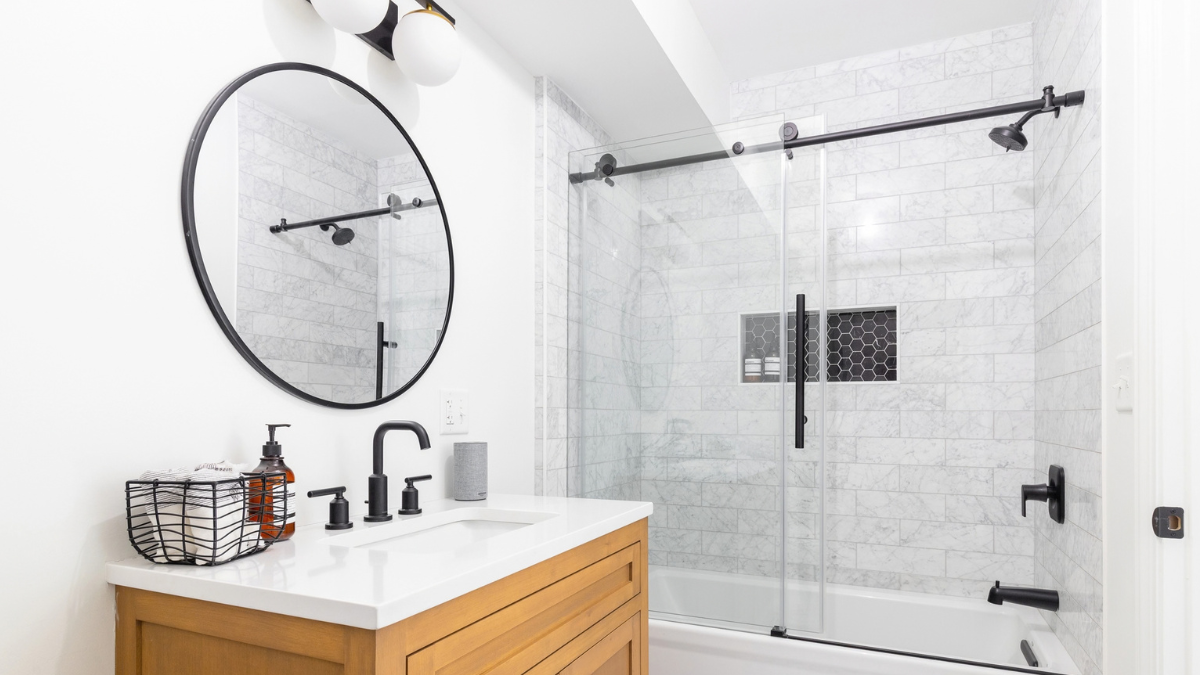
Repairs have a way of arriving at the worst possible moment, and most homeowners deal with them as quickly and as cheaply as they can. A bathroom is one of the places where that habit costs the most, because hidden moisture, aging fixtures, and an awkward layout rarely stay contained to the one part that failed. A full renovation of the room, rather than another patch over the same weak point, turns a repair bill into something the whole house benefits from.
Hiring a professional bathroom remodeling company is the step that gets the whole room put right at once, so the money buys a lasting improvement instead of another temporary fix.
The Difference Between Fixing and Upgrading
A fix restores what was lost. An upgrade changes what the house is capable of. The two often cost far less apart than people assume, because the expensive parts of any job are access and labor, not the materials themselves.
Opening a wall, pulling up a floor, setting up equipment, and carrying debris out of the house takes the same effort whether the finished result is a plain replacement or a much better one.
Once you see it that way, the question changes. Instead of asking what the cheapest way to stop the problem is, you start asking what else becomes possible now that this area is open. That single shift in thinking is where real gains in property value come from.
Choosing Which Problems Deserve a Bigger Answer
Not every repair justifies a larger project, and treating each one as an excuse to spend is its own mistake. A useful test is to ask three questions before deciding.
First, is this the second or third time you have dealt with this same issue? Repeating trouble in one area usually means the underlying system is at the end of its life, and another patch just buys a few more months.
Second, does the area affect how the house is used every single day? Spaces people rely on constantly deserve a higher standard than spaces they barely notice.
Third, would a buyer or an appraiser see the difference? Work that protects the house matters even when it is invisible, but work that is both protective and visible carries the strongest return.
Planning a Budget That Leaves Room for Better Choices
Most household repair budgets fail for the same reason. They are set at the exact price of the expected work, with nothing left over, so any upgrade feels impossible and any surprise turns into borrowed money.
A better approach is to keep a standing home fund that grows quietly month by month, separate from savings meant for other purposes. When something breaks, the fund absorbs it without drama, and there is usually enough margin to take the better option rather than the minimum one. Owners who work this way describe the same experience: repairs stop feeling like crises and start feeling like scheduled maintenance with an occasional bonus improvement attached.
It also helps to keep a short written list of the upgrades you would make if the opportunity appeared. When a wall opens unexpectedly, you already know what you want to do about it.
Working With Contractors Who Think Beyond the Patch
The right contractor changes the outcome more than any other single factor. Good ones tell you what they found, explain what caused it, and describe the options honestly, including the ones that earn them less money.
They are willing to say that a simple repair is enough. They are also willing to tell you, plainly, when a simple repair is a waste of your money.
Ask how long the proposed solution is expected to last. Ask what happens if you choose the cheaper route instead. Ask what they would do in their own house. The answers reveal a great deal, and a contractor who cannot answer them clearly is not the person to trust with a larger project.
Small Decisions That Protect Long-Term Value
Large projects get the attention, but the steady accumulation of small, sensible choices often does more for a property over time. Sealing gaps properly. Replacing worn hardware with solid versions rather than the cheapest on the shelf. Keeping drainage away from the foundation. Servicing equipment before it fails instead of after.
None of these feels like an improvement on the day it is done. Together, over a decade, they are the difference between a house that needs a long list of corrections before it can be sold and one that is ready whenever the owner decides.
A Practical Way to Handle Your Next Repair
The next time something in your house fails, pause before calling anyone. Look at the area properly. Ask whether this has happened before, whether the surrounding materials are close to the end of their life, and whether you have wanted to change something here anyway. Find out what the full solution would cost alongside the quick one, so you are comparing real numbers rather than assumptions.
Sometimes the quick repair is genuinely the right call, and you will move on with a clear conscience. Often enough, though, you will find that a modest amount of additional money converts an unwelcome expense into a lasting improvement.
That is the habit worth building. Handled that way, the ordinary wear and tear of owning a home slowly stops being a drain and becomes the mechanism by which the property gets better.
About the Author

Ryan Nelson
I’m an investor, real estate developer, and property manager with hands-on experience in all types of real estate from single family homes up to hundreds of thousands of square feet of commercial real estate. RentalRealEstate is my mission to create the ultimate real estate investor platform for expert resources, reviews and tools. Learn more about my story.