
A tenant who renews for a fourth year saves the landlord a vacant month and a full make-ready turnover. Those renewals depend on how a unit performs in year three, when the cheap faucet starts to drip and the hallway carpet has worn down to the backing. Renovating for long-term tenants means putting money where daily wear shows up first. Everything else can wait for a later budget cycle.
Start With the Systems Tenants Never See
Before you pick a single finish, have a renovation company scope the building’s mechanical systems and its envelope. A walkthrough with a licensed contractor should cover the supply lines and the drains, the electrical panel, the roof, and any signs of water intrusion in the basement or crawlspace. Ask for a written scope with line-item pricing. It gives you a baseline for comparing bids, and it becomes the record of what was replaced and when. Moisture problems deserve extra attention, because they spread behind finished walls before anyone notices.
Tenants rarely move out over a dated backsplash. They leave after the third call about a breaker that trips whenever the microwave and the toaster run together, or after a slow leak under the sink ruins a box of stored belongings. Each of those problems also triggers an emergency service call, and emergency calls are usually billed at a premium over scheduled work. Replacing aging galvanized pipe and adding dedicated kitchen circuits before any cosmetic work also protects the new finishes, since nothing has to be torn back open a year later.
Choose Materials for the Tenant After Next
A finish that looks good for the first tenant and fails for the second one ends up costing twice. Durable specs cost more up front, yet they tend to lower long-run maintenance costs because fewer items need repair or replacement at each turnover. The test for every material is simple. Picture how it’ll look after five years of pets and move-in days.
Flooring
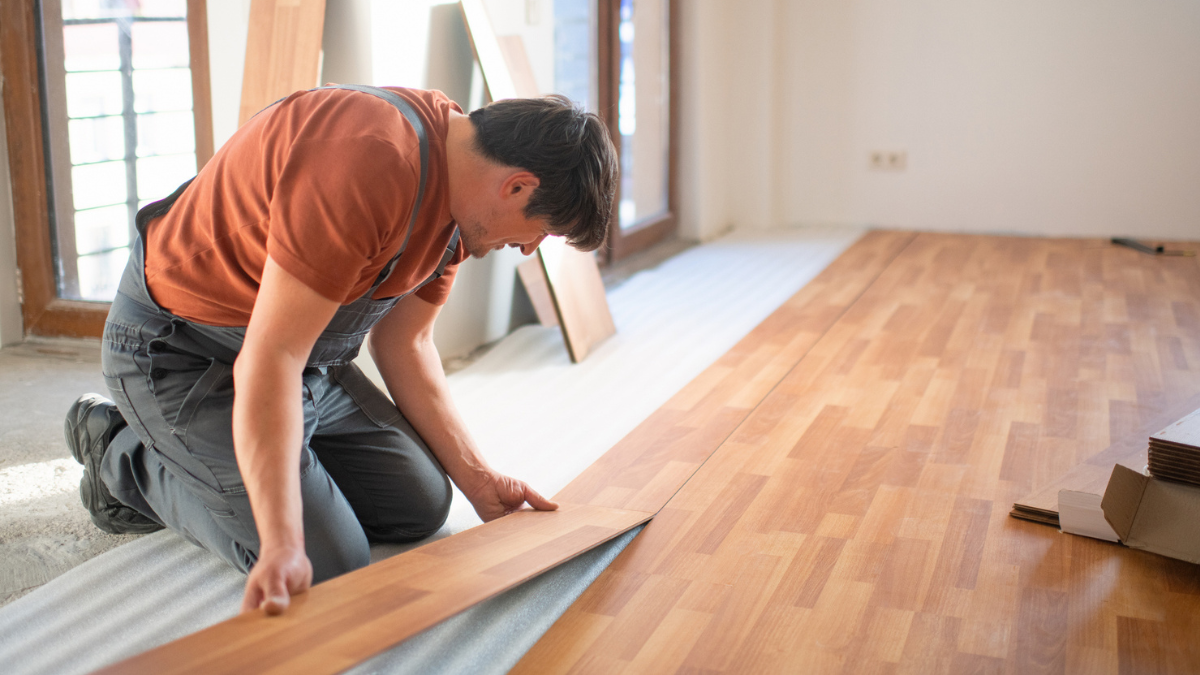
Luxury vinyl plank (LVP) has replaced carpet as the default floor in many rental units. A product with a 12-mil or 20-mil wear layer holds up to pet claws and dragged furniture much longer than builder-grade carpet, which often needs replacing every five to seven years. Damaged planks can be swapped out one at a time, so keep a box of spares from the same production lot in storage. Carpet is hard to justify anywhere except upstairs bedrooms where noise transfer is a concern, and even there a low-pile commercial style is the better buy.
Walls and Paint
Satin and eggshell finishes wipe clean, and they hide patched drywall better than semi-gloss, which shows every roller mark. Standardize one wall color and one trim color across your portfolio. Touch-ups then take minutes, and a single can covers any unit. Semi-gloss still belongs on trim and doors, where smudges from hands and grocery bags tend to collect.
Fixtures and Hardware
Pick one faucet brand and one cabinet pull style, and then use them everywhere. With a standardized cartridge, a maintenance tech can fix a drip with a part that is already on the truck. Metal-bodied faucets with ceramic disc valves are worth the small price bump, because plastic-bodied models tend to crack at the supply connections. Lever-style door handles are easier for older tenants to use, and that detail matters if you want renters who stay for a decade.
Prioritize Kitchens and Bathrooms
Kitchens and bathrooms take the most abuse and generate the most maintenance calls, so most of the renovation budget should go there. In the kitchen, quartz or solid-surface counters resist chips and stains better than laminate, whose edges tend to peel near the sink. Plywood cabinet boxes survive the kind of water exposure that swells particleboard. For appliances, mid-range models from brands with widely available parts usually outlast premium units once you factor in repair costs. A single-bowl stainless sink with a pull-down sprayer handles heavy daily use and leaves more counter space in a compact kitchen.
Bathrooms fail from moisture. An exhaust fan should move at least 1 cubic foot per minute (CFM) of air for every square foot of floor. When the fan vents outdoors and runs on a humidity sensor or timer, it helps prevent indoor mold from forming on ceilings and grout lines. Plenty of tenants never switch on a manual fan, so automation takes the guesswork out of ventilation. Tile the tub surround all the way to the ceiling or install a one-piece acrylic unit. On floors, epoxy grout is worth the extra labor.
Address Safety and Compliance Early
Safety upgrades cost less during a renovation than they do as a response to an inspection notice. Install interconnected smoke alarms and carbon monoxide detectors wherever local code calls for them, and add ground-fault circuit interrupter (GFCI) outlets near sinks and tubs. Check bedroom windows against egress requirements as well, since a window painted shut decades ago may no longer open.
Older buildings need a hazard check before any walls come down. Homes built before 1978 may contain lead paint, and federal rules require contractors working in pre-1978 housing to be certified in lead-safe practices and to give occupants an information pamphlet before work begins. Asbestos can also show up in older floor tile and pipe insulation. Testing costs a few hundred dollars, which is far less than the cost of halting a project midway.
Phase the Work to Protect Occupancy
Vacancy is the largest hidden cost of a rental renovation. A unit that sits empty for six weeks at $1,800 a month loses roughly $2,700 in rent before a single contractor invoice arrives. Tracking your tenant turnover rate shows how often units open up on their own, and that pattern gives you a realistic calendar for heavy work. Kitchen remodels and flooring replacement belong in the gap between leases. Have materials delivered and staged before the outgoing tenant hands back the keys. Build in a buffer of a week or so for inspections, which rarely happen on the day a contractor requests them.
You can do lighter jobs with tenants in place. Swapping a light fixture or replacing a toilet takes a few hours, and many states require 24 to 48 hours of written notice before a landlord enters a unit. Tenants who see steady improvements while they live in a unit tend to read them as a sign that the owner cares about the property. That impression affects renewal decisions more than most landlords expect.
Add Upgrades That Earn Renewals
Some upgrades appeal mostly to renters who plan to stay. In-unit washer and dryer hookups are among the first amenities renters ask about, and adding them is often a plumbing and venting job that fits inside an existing closet. Extra storage matters to growing households that would otherwise move, whether it takes the form of a built-in closet system or a lockable exterior shed.
Smart thermostats and keyless entry locks cost a few hundred dollars per unit, and they appeal to tenants who work from home or travel often. Keyless locks also cut out the cost of rekeying at every turnover, since you can set a new code from a phone. A small private outdoor area, even a fenced patio off the back door, tends to keep renters with pets or young children in place longer.
Timing matters too. Offering a specific upgrade, such as a new dishwasher or a ceiling fan, in exchange for a signed renewal gives the tenant a concrete reason to stay. It also gives you a fixed date to schedule the work. In most markets, the upgrade costs less than a single month of lost rent.
Renovate for Durability First
The rental renovations that pay off with long-term tenants follow a clear order. Fix the building systems first, then choose finishes that can survive years of daily wear. After that, schedule disruptive projects between leases and use renewal-time upgrades to give good tenants a reason to sign again. Units built this way get easier to keep occupied with each lease cycle.
About the Author

Ryan Nelson
I’m an investor, real estate developer, and property manager with hands-on experience in all types of real estate from single family homes up to hundreds of thousands of square feet of commercial real estate. RentalRealEstate is my mission to create the ultimate real estate investor platform for expert resources, reviews and tools. Learn more about my story.