
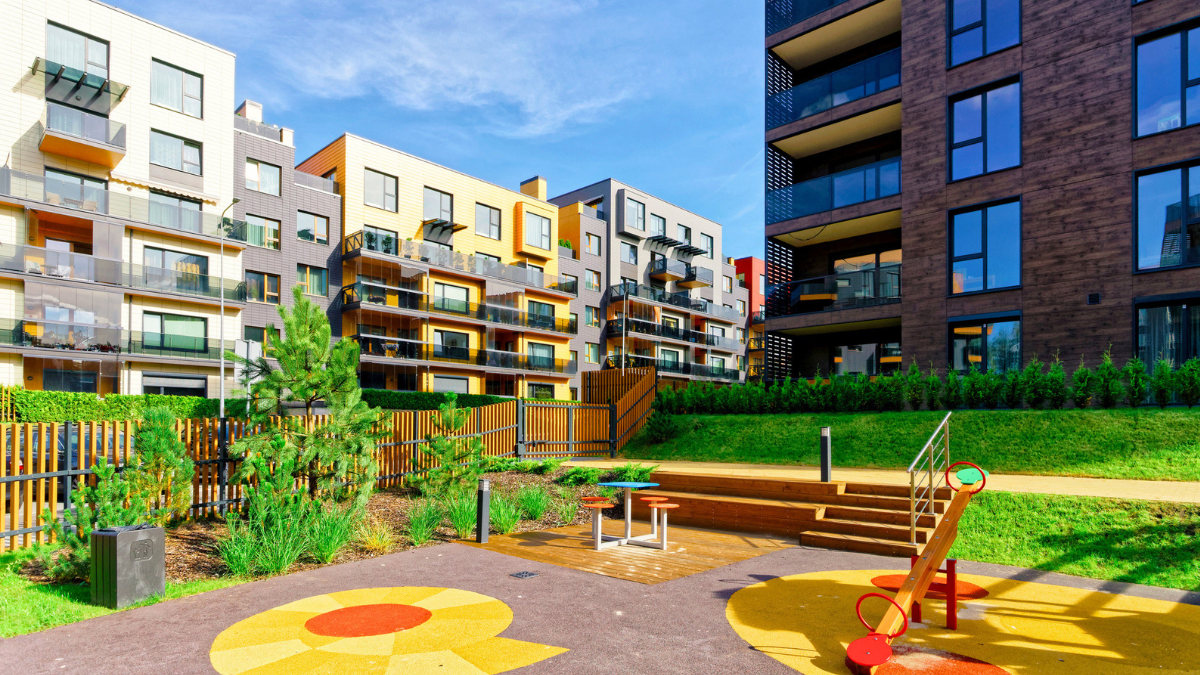
Rental properties often compete on familiar features such as location, floor plans, finishes, and monthly rent, which can make it difficult for one property to feel noticeably different from another. Nashville property owners considering a dedicated outdoor recreation feature can explore Turft for information about professional pickleball court installation in Nashville, including court planning, construction, surfacing, lighting, fencing, and related installation considerations. Thoughtfully chosen recreational amenities can give tenants additional ways to enjoy where they live while helping a rental property develop a more distinctive identity in a competitive market.
Create a Stronger First Impression
Prospective tenants often form an opinion about a rental property before they have inspected every room or compared every practical detail. Attractive recreational areas can immediately suggest that the property has been planned around more than basic accommodation. A maintained pool, fitness area, sports court, or communal outdoor space can therefore contribute to a stronger overall impression during viewings.
Presentation remains important because an amenity that appears neglected may have the opposite effect. Recreational spaces should feel clean, accessible, safe, and consistent with the standard of the surrounding property. Keeping these areas visually connected to landscaping, pathways, seating, and other shared spaces can make the entire property feel more cohesive.
Give Tenants More Ways to Use the Property
Rental amenities are most valuable when they provide practical opportunities for tenants to spend time at home. Outdoor courts, exercise areas, swimming pools, walking paths, and communal spaces can support recreation without requiring residents to travel elsewhere. This can be particularly appealing when the amenity suits activities that tenants already enjoy regularly.
The right choice depends heavily on the property and the people it is intended to attract. A large multifamily development may support several shared facilities, while a smaller rental property may benefit more from one carefully selected feature. Property owners should consider available space, likely usage, installation requirements, and maintenance before deciding which amenity makes sense.
Make Better Use of Outdoor Space
Unused outdoor areas can represent an opportunity for property owners, particularly when they require maintenance without providing much value to tenants. Large lawns and open sections of land may be suitable for seating areas, walking routes, gardens, play spaces, or recreational facilities. Giving these areas a clear purpose can make the overall property feel more functional.
Sports courts can be especially useful where sufficient level space is available for a dedicated recreational feature. Pickleball has relatively straightforward space requirements compared with some larger sports facilities, although proper site preparation, drainage, surfacing, fencing, and lighting still require careful planning. A professionally designed court can turn an otherwise underused section of a property into an identifiable amenity.
Support a More Social Rental Environment
Shared recreational spaces can create natural opportunities for residents to interact without requiring formal community events. A game court, pool area, outdoor lounge, or similar feature gives tenants a reason to spend time in common areas rather than remaining exclusively inside their homes. These casual interactions can help shared areas feel more active and welcoming.
Property owners should still design communal amenities so that residents can use them comfortably without creating unnecessary disruption. Appropriate operating hours, seating arrangements, lighting, access rules, and placement can help balance recreation with the privacy of nearby tenants. Good planning is particularly important for sports facilities where noise and evening use may need to be considered.
Consider Long-Term Maintenance Requirements
The initial appearance of an amenity should not be the only factor influencing an investment decision. Every recreational feature has ongoing maintenance requirements that can affect operating costs and the amount of management attention the property needs. Owners should understand these responsibilities before committing to an installation that may be expected to remain in service for many years.
Durable materials and professional installation can help reduce avoidable maintenance problems, but routine inspections will still be necessary. Court surfaces may require cleaning or eventual repairs, pools require regular treatment, and fitness equipment needs to remain safe and functional. Planning for these expenses from the beginning provides a more realistic picture of the long-term cost of an amenity.
Choose Amenities That Match the Property
Adding a recreational feature simply because it is currently popular does not guarantee that tenants will use it. Property owners should consider the available space, local lifestyle, likely tenant demographics, climate, and existing facilities in the surrounding area. An amenity that responds to genuine tenant interests is more likely to contribute to the property’s appeal.
Scale should also remain appropriate to the size and type of rental property. A compact property may gain more from a versatile outdoor gathering area, while a larger development might justify dedicated fitness and sports facilities. Choosing amenities according to practical demand can prevent valuable space and investment funds from being committed to features with limited use.
Look Beyond the Initial Installation Cost
Budgeting for a recreational amenity should include more than the price of equipment or construction. Site preparation, drainage, permits, lighting, fencing, landscaping, accessibility, insurance considerations, and future maintenance may all contribute to the overall expense. Understanding these costs early allows property owners to compare potential improvements more accurately.
The lowest-cost option is not necessarily the one that provides the greatest long-term value. An inexpensive installation that deteriorates quickly or receives little tenant use may eventually become an additional maintenance burden. Property owners should instead consider durability, usefulness, expected lifespan, and how well the improvement complements the rest of the rental property.
Use Amenities as Part of the Property’s Identity
Distinctive amenities can give landlords and property managers something meaningful to highlight when marketing available units. Instead of relying entirely on standard descriptions of bedrooms, appliances, and parking, listings can show how residents are able to use the wider property. Clear photographs of attractive recreational areas can help prospective tenants understand the lifestyle the property is designed to support.
Amenities should not be treated as a substitute for fundamental rental quality, however. Tenants still expect well-maintained homes, responsive management, functional facilities, and reasonable value for the rent they pay. Recreational features are most effective when they complement these essentials and provide an additional reason for prospective tenants to remember the property.
Conclusion
Recreational amenities can help a rental property stand out by making outdoor and shared spaces more useful, giving tenants additional activities at home, and creating features that differentiate the property from nearby alternatives. The most successful improvements are not necessarily the largest or most expensive, but those that match the property, receive regular use, and can be maintained effectively over time. By evaluating tenant needs, available space, installation requirements, and long-term costs before making an investment, property owners can select recreational amenities that strengthen both the function and overall appeal of their rental property.
About the Author

Ryan Nelson
I’m an investor, real estate developer, and property manager with hands-on experience in all types of real estate from single family homes up to hundreds of thousands of square feet of commercial real estate. RentalRealEstate is my mission to create the ultimate real estate investor platform for expert resources, reviews and tools. Learn more about my story.