
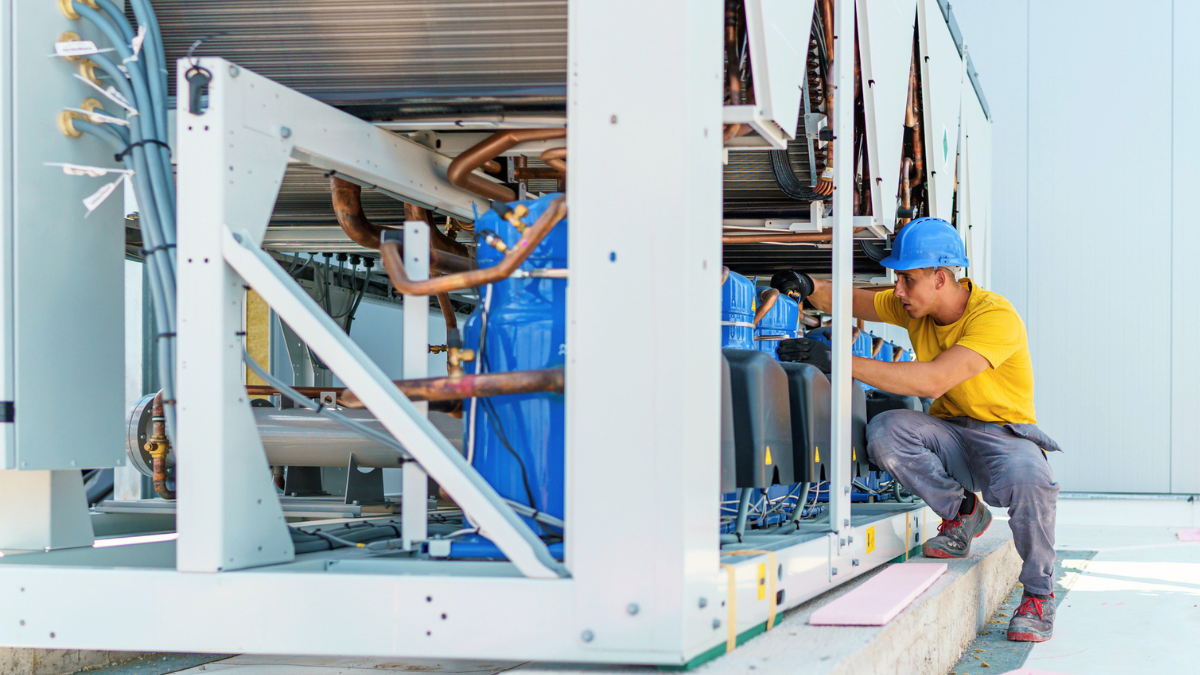
Property managers face continuous pressure to keep commercial cooling units operational around the clock. Temperature spikes or sudden system shutdowns disrupt routines, cost thousands in lost inventory, and create immediate safety hazards. Taking proactive steps gives building supervisors full control over equipment health before minor mechanical glitches transform into disastrous facility outages.
Prioritizing Scheduled System Audits
Commercial refrigeration systems can handle heavy operational demands. Mechanical parts undergo constant stress, and consistent mechanical checks identify minor wear on fan motors, worn gaskets, and electrical drift before components fail.
Commercial facilities rely on cold storage units to protect perishable inventory every single day. Book expert commercial refrigeration services in Flint or in your location to keep cooling systems running smoothly year after year. Early service visits stop small mechanical issues from turning into massive emergency repairs.
System diagnostics give technicians a clear picture of internal operating pressures and fluid levels. Routine inspection schedules keep compressors running efficiently during high-demand summer months. Property managers who invest in routine evaluations prevent unexpected system shutdowns and maintain stable indoor environments.
Tracking Maintenance Strategies and Financial Savings
Facility managers recognize that equipment breakdowns hurt profit margins. Scheduling proactive maintenance keeps commercial freezers running efficiently and extends total equipment lifespan. Maintenance surveys show 71% of facility professionals depend on preventive strategies to keep equipment running.
Emergency breakdowns cost more than routine scheduled service visits. Sudden compressor failures force managers to pay premium rates for immediate off-hours labor and fast shipping on replacement components. Building operations studies indicate reactive emergency fixes cost three to five times more than scheduled upkeep before factoring in business downtime. Structured maintenance logs streamline budget decisions and eliminate surprising repair bills throughout the calendar year.
Upgrading Equipment and Energy Standards
Upgrading outdated refrigeration systems reduces energy consumption and operational overhead. Older commercial cooling units consume massive amounts of power, driving up monthly utility bills for commercial tenants. Modern equipment features high-efficiency compressors and advanced digital control software that optimizes power consumption.
Market research confirms ENERGY STAR units drop power usage from 4.44 kWh per day down to 1.89 kWh per day. Cooling industry updates state preventive care directly controls energy efficiency across commercial properties. Property managers lower energy bills by adopting several core practices:
- Cleaning condenser coils regularly to maintain heat transfer efficiency
- Replacing worn magnetic door gaskets to prevent cold air leakage
- Calibrating digital thermostat sensors for exact temperature control
- Defrosting evaporator coils to stop ice buildup on cooling fins
Lowering energy demands keeps refrigeration components from overheating during peak summer operations. Energy-efficient hardware runs cooler, experiences less component wear, and extends the service life of major refrigeration assemblies. Managers who upgrade cooling units protect property assets and meet strict energy compliance goals.
Managing Refrigerant Regulations and Chemical Phaseouts
Environmental regulations shape how commercial properties manage cooling chemicals and retrofits. Federal rules mandate phaseouts for older chemical refrigerants that contribute to atmospheric damage. Property managers must adjust their operational budgets to accommodate new chemical standards and higher material costs.
HVAC guidelines note R-410A refrigerant phaseout plans shifted facilities toward R-32 and R-454B options starting in 2025. Market analysis reveals federal rules cut HFC chemical quotas by 40% from 2024 to 2025, pushing up coolant costs. Managing these transitions requires close collaboration with licensed refrigeration technicians.
System retrofits require converting older hardware to accommodate lower-pressure, environmentally friendly chemical compounds. Delaying system updates increases operating expenses as legacy refrigerants become scarce across national distribution networks. With early preparation, managers can transition smoothly without facing unexpected supply shortages or emergency compliance fines.
Monitoring Leak Detection and Environmental Safety
Refrigerant leaks reduce cooling power and increase energy costs across commercial facilities. Small leaks create severe pressure imbalances inside compressor lines, forcing systems to run constantly to maintain target temperatures. Constant running leads to severe motor wear and sudden compressor burnouts.
Large cooling systems face new rules requiring automatic leak detection setups. Facility care manuals recommend replacing air filters every two to three months to protect system airflow. Implementing modern monitoring tech keeps systems compliant with regional safety rules.
Sensors placed near evaporators and line sets instantly alert technicians when pressure drops occur. Early warnings let repair teams fix minor fitting leaks before major chemical losses happen. Automated alerts safeguard commercial inventory, protect equipment, and support full environmental compliance.
Protecting Property Value Through Routine Inspections
Maintaining commercial cooling units protects long-term property values and commercial tenant satisfaction. Tenants in food service, grocery, and healthcare sectors depend on continuous cold storage to run their operations. Experiencing a major refrigeration failure causes tenant inventory losses, business interruption, and lease disputes.
Teaching maintenance workers to check door latch seals, verify digital thermometer readings, and listen for abnormal motor noises prevents small issues from escalating. Staff members who understand basic system warning signs react quickly to early mechanical failures. Property managers who partner with experienced service companies keep emergency contact lists accessible for on-call service teams.
Conclusion
Proactive maintenance protects commercial facilities from expensive refrigeration outages and sudden inventory losses. Structured inspection routines, quick leak repairs, and modern hardware upgrades keep cooling systems running reliably for years. Prioritizing mechanical health protects property value and keeps commercial tenants satisfied every day.
About the Author

Ryan Nelson
I’m an investor, real estate developer, and property manager with hands-on experience in all types of real estate from single family homes up to hundreds of thousands of square feet of commercial real estate. RentalRealEstate is my mission to create the ultimate real estate investor platform for expert resources, reviews and tools. Learn more about my story.