
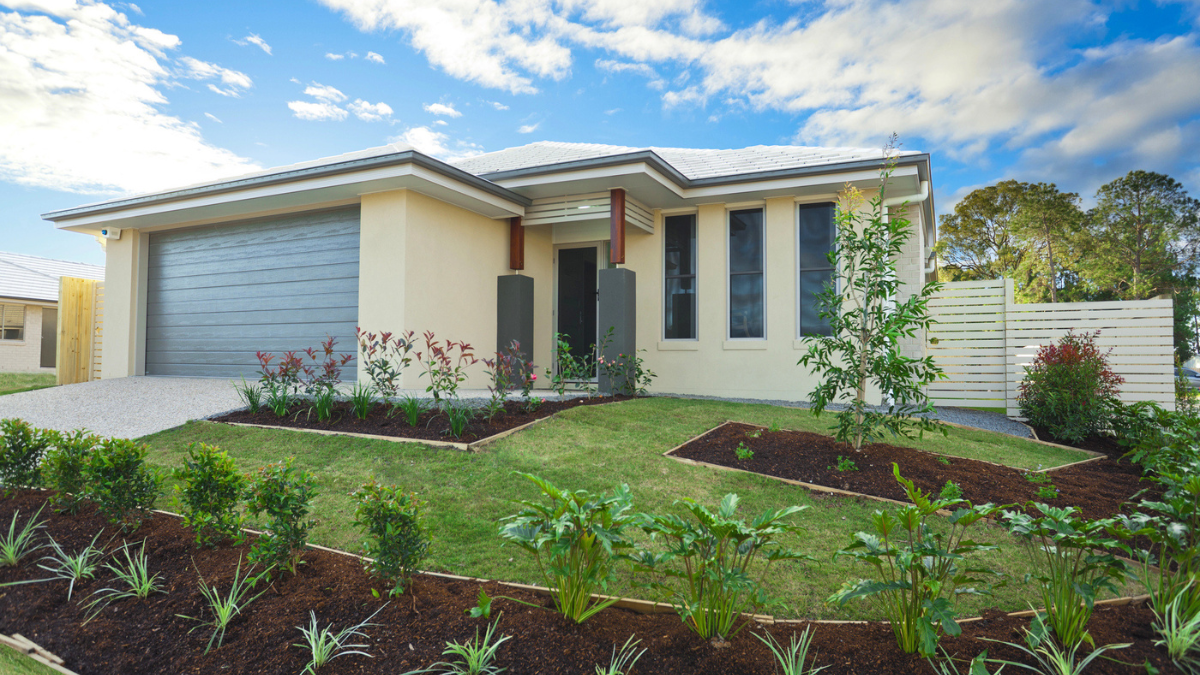
If you’re ready to make the move from renting to owning in Australia, building a new home is one route worth a look. It’s also one of the few ways to have a real say in how your home is laid out, which is something a lease rarely gives you.
This guide uses Brisbane as its example. Most of the principles carry over wherever you plan to build. Either way, a few decisions are worth thinking through before any contract gets signed.
What Brisbane Offers Renters Ready to Buy
Choice is a big part of it. Closer in, you’ll find established suburbs. Further out, newer estates sell land on its own as well as house and land packages. The climate helps too: summers are hot, but the winters are mild.
Brisbane is also changing. The city will host the 2032 Olympic and Paralympic Games, and planning for transport and venues is already underway across South East Queensland.
Still, don’t buy because of a sporting event. Pick an area that suits your job and your daily routine. Growth is never guaranteed, and the Games will come and go. You’ll still be living there.
What Renting to Owning Really Costs
The price tag is only the start. Once you own, repairs and maintenance are yours to sort out, not your landlord’s. Council rates and home insurance become regular bills. And some costs land well before you get the keys.
The upfront ones usually include your deposit, conveyancing fees and stamp duty on the land or home you buy (in Queensland, it’s called transfer duty). Depending on your lender and your purchase, you might also be paying loan establishment fees or for independent building inspections.
Building? Then plan for a stretch where you’re paying rent and a loan at the same time. Construction loans are generally drawn down in stages as the build moves along, and interest is usually charged only on what’s been drawn so far. So repayments tend to start small and climb as more money goes to your builder.
First home buyers may qualify for grants or duty concessions. The catch is that the rules and amounts differ from state to state, and they change. Check your state revenue office (for Brisbane, that’s the Queensland Revenue Office) for current details. And talk to a lender early. Knowing your borrowing capacity before you fall for a floorplan can save a lot of heartache.
Choosing a Home Design Suited to Brisbane Living
A few years of renting is a pretty good crash course in what you don’t want. A kitchen with nowhere to put anything down. A spare room that’s really a storeroom. One living area where the TV, the kids and the work calls all fight for the same corner.
Building means you can design those problems out. Think about how your household uses a home day to day. Separate living zones let people spread out. A walk-in pantry and proper built-in storage take the pressure off everywhere else. If you work from home, a dedicated study may end up more useful than a formal lounge nobody sits in.
Then there’s the climate. Brisbane summers are hot and humid, so cross-ventilation, ceiling fans and shaded windows earn their keep. An open-plan kitchen, meals and family area that opens onto a covered alfresco keeps the home feeling light-filled, and it gives you extra living space for much of the year.
Block size matters too. Lots across South East Queensland have been getting smaller, so make sure a design actually fits your block before you commit. It helps to browse a broad range of home designs in Brisbane early on. You can compare layouts and lot widths side by side, which makes it much easier to find a floorplan that suits both the block and the budget.
Established Suburbs or Growth Corridors? Deciding Where to Build
Established middle-ring suburbs are closer to the city, and the schools and services are already there. Vacant land can be hard to find, though. If that’s the case in the suburb you want, buying an older house and rebuilding on the block is one way in.
Growth areas like Moreton Bay, Logan and Ipswich are a different proposition. Here, you may be choosing land in a new estate, or a house and land package, rather than an existing home. Parks and community facilities might still be under construction when you move in, so ask what’s finished and what’s only planned. It’s also worth factoring in travel time: federal research expects many people living in these areas to commute into Brisbane for work.
Whatever you choose, check flood risk before committing to a block. Within its local government area, Brisbane City Council has a free Flood Awareness Map for a quick look. For more detail, its FloodWise Property Report shows the risk and type of flooding at a specific property, including historic flood levels. Buying outside the Brisbane City Council area? Ask your local council what flood information it has.
Planning the Move From Lease to Keys
Start with pre-approval, before you look at land or designs, so every decision sits inside a real budget. Then visit your shortlisted suburbs more than once. A weekday morning tells you about traffic. A weekend afternoon shows you how the place actually lives.
Once the build has a realistic completion window, have a chat with your property manager about your lease. Build timelines can shift for reasons such as wet weather or material shortages. A periodic agreement (if you’re already on one, or your landlord agrees to one) gives you more room to move. In Queensland, tenants can generally end a periodic agreement with 14 days’ written notice. Tenancy rules differ between states, so check with your local tenancy authority.
So, your next step: book a conversation with a lender, then pick a handful of suburbs to visit. The floorplan can wait until you know what you can afford and where you want to be. Sort those two out first, and the rest of the move from renting to owning in Australia gets a lot easier to plan.
About the Author

Ryan Nelson
I’m an investor, real estate developer, and property manager with hands-on experience in all types of real estate from single family homes up to hundreds of thousands of square feet of commercial real estate. RentalRealEstate is my mission to create the ultimate real estate investor platform for expert resources, reviews and tools. Learn more about my story.